The Need for an Independent Investigation into Alleged Abuses Against Rohingya Civilians in Arakan by the Arakan Army
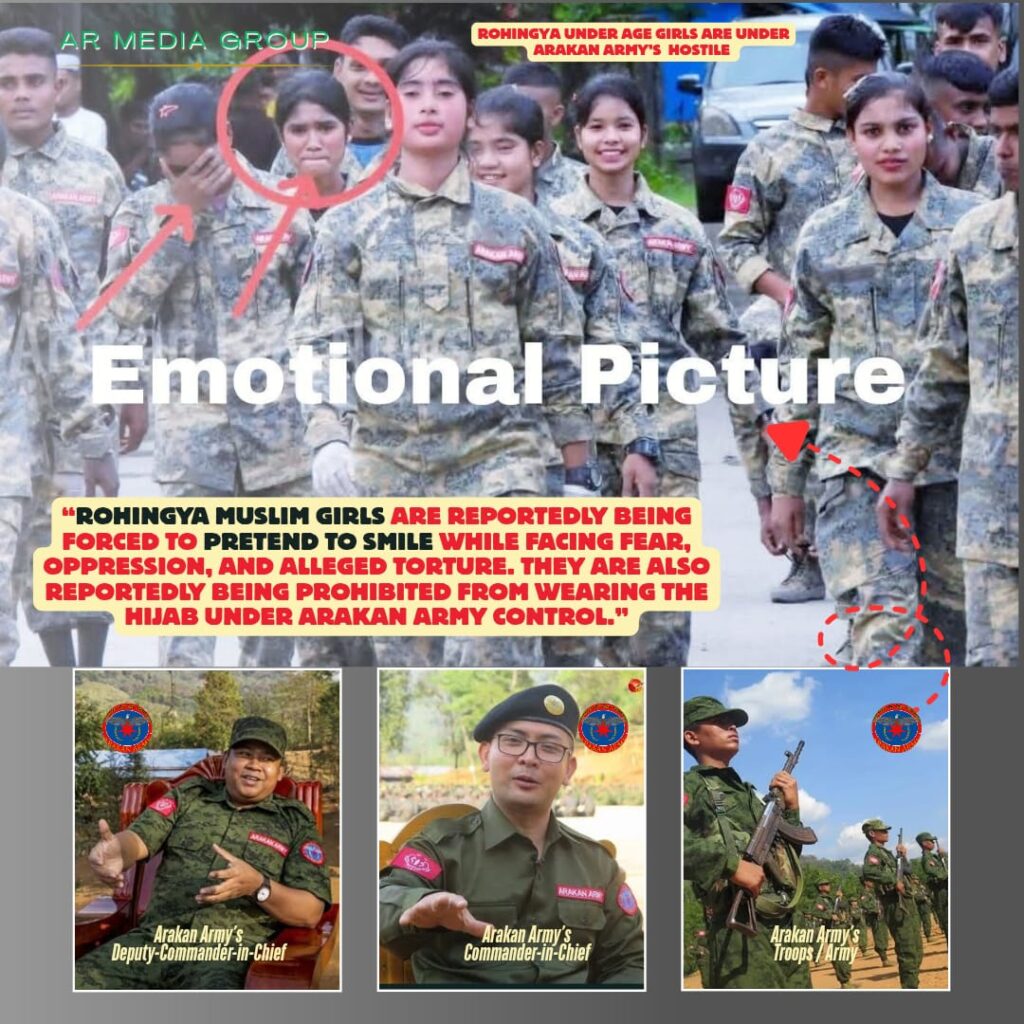
The situation of Rohingya civilians in Arakan has become a matter of serious concern, particularly amid continuing reports and allegations of abuses, intimidation, forced displacement, arbitrary detention, and other forms of mistreatment by the Arakan Army, which is described by many Rohingya as a terrorist armed group. These allegations should not be ignored or dismissed without proper investigation. At the same time, claims circulating through social media and other informal sources must be independently verified so that the truth can be established and victims can receive appropriate protection and justice.
According to allegations and testimonies emerging from affected communities, Rohingya Muslims, Christians, and other minority communities are facing increasing insecurity in areas of Arakan affected by armed conflict involving the Arakan Army. There are claims that civilians are being subjected to pressure, restrictions, extortion, forced recruitment, and other forms of coercion. Particularly concerning are allegations involving young Rohingya women and girls, including claims that some have been taken from their homes or otherwise placed under the control of armed personnel. Such allegations, if substantiated, would represent extremely serious violations of human rights and international humanitarian principles.
There are also allegations that some Rohingya families who have no secure place to live or who lack financial resources are particularly vulnerable to mistreatment by the Arakan Army. Some accounts claim that young women and girls have been taken forcibly to military or security-related locations, including cantonments or other facilities, where they may face intimidation, abuse, or other forms of mistreatment. These are extremely serious allegations, and they require urgent, impartial, and independent investigation rather than assumptions or political arguments.
There are further allegations that some victims have been forced to leave their religion or pressured to visit Buddhist temples against their will. At the same time, some reports claim that civilians are not free to move, practice their religion, or make personal choices without fear of punishment or intimidation. Reports also allege that Muslim women and girls have faced restrictions regarding the wearing of the hijab, which is an important religious practice for many Muslim women. There are also claims that Muslim men and boys have faced restrictions on performing Salah (prayer) and that some people have been pressured or forced to participate in armed activities. These allegations require careful investigation and verification by independent investigators.
Social media has increasingly become a source through which photographs, videos, testimonies, and other information concerning the alleged treatment of Rohingya civilians are being circulated. Some of these materials appear to show people who may have experienced fear, distress, or humiliation. However, the authenticity, origin, date, and context of such materials must be carefully examined. Social media evidence can be important, but it should be independently verified before definitive conclusions are reached.
The international community therefore has a responsibility to pay close attention to the situation and to investigate allegations of systematic violations against the Rohingya community by the Arakan Army. Human rights organizations, humanitarian agencies, journalists, and independent investigators should be given meaningful access to affected areas so that allegations can be documented and investigated. Witnesses and survivors should also be protected from retaliation, intimidation, or further harm.
An independent investigation is particularly important because civilians living in conflict-affected areas often have very limited opportunities to report abuses safely. When people are afraid to speak openly, allegations may remain undocumented for years. Independent investigators can help establish what happened, identify patterns of abuse, preserve evidence, and determine whether violations of international law have occurred.
The protection of civilians must remain the central priority in Arakan. Rohingya Muslims, Christians, and other ethnic and religious minorities should be able to live without fear of arbitrary detention, forced displacement, violence, exploitation, or discrimination. No armed organization or authority should be above accountability, regardless of its political objectives or military position.
The international community should therefore demand transparency, civilian protection, and unrestricted humanitarian access in Arakan. Where credible allegations exist, they should be investigated through impartial mechanisms, and anyone found responsible for serious violations should be held accountable in accordance with international law.
Ultimately, the people of Arakan need peace, security, dignity, and justice. The suffering of civilians should not become a political tool or be ignored because of competing narratives. Every allegation should be examined fairly, every survivor should have the opportunity to speak safely, and every civilian—regardless of ethnicity or religion—should have the right to live free from violence and persecution.
The Rohingya are a peace-loving community that has endured displacement, persecution, statelessness, and dangerous journeys for decades. Today, many Rohingya civilians continue to face serious risks because of instability and armed conflict in Arakan, involving both the Arakan Army and the authorities of Myanmar. Their suffering should receive the attention of the international community, and their fundamental rights and dignity must be protected.
For this reason, an independent and credible investigation into allegations of abuses against Rohingya civilians and other minority communities in Arakan is not only necessary but urgent. Establishing the facts is the first step toward protecting victims, preventing further abuses, and creating the foundation for lasting peace and accountability.